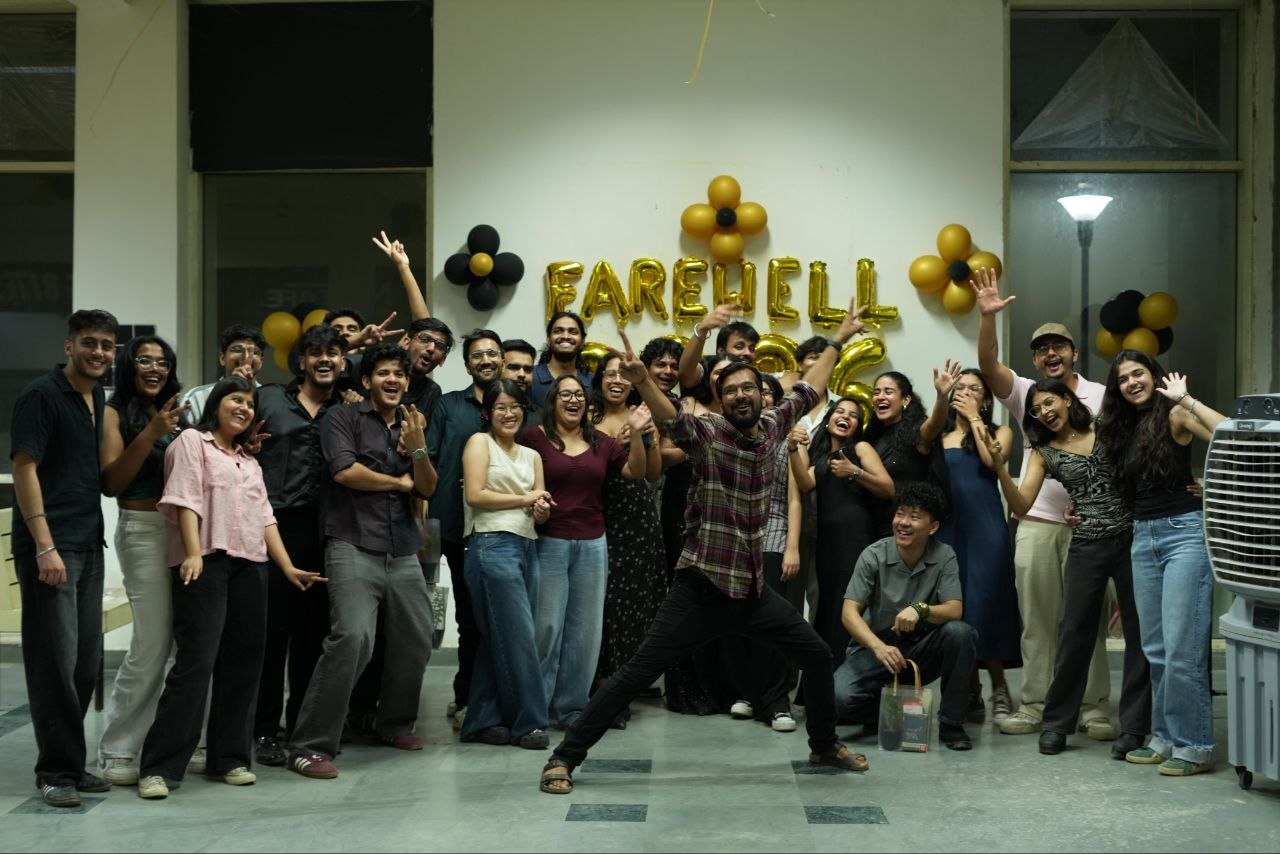
farewell batch of 2026 🎓
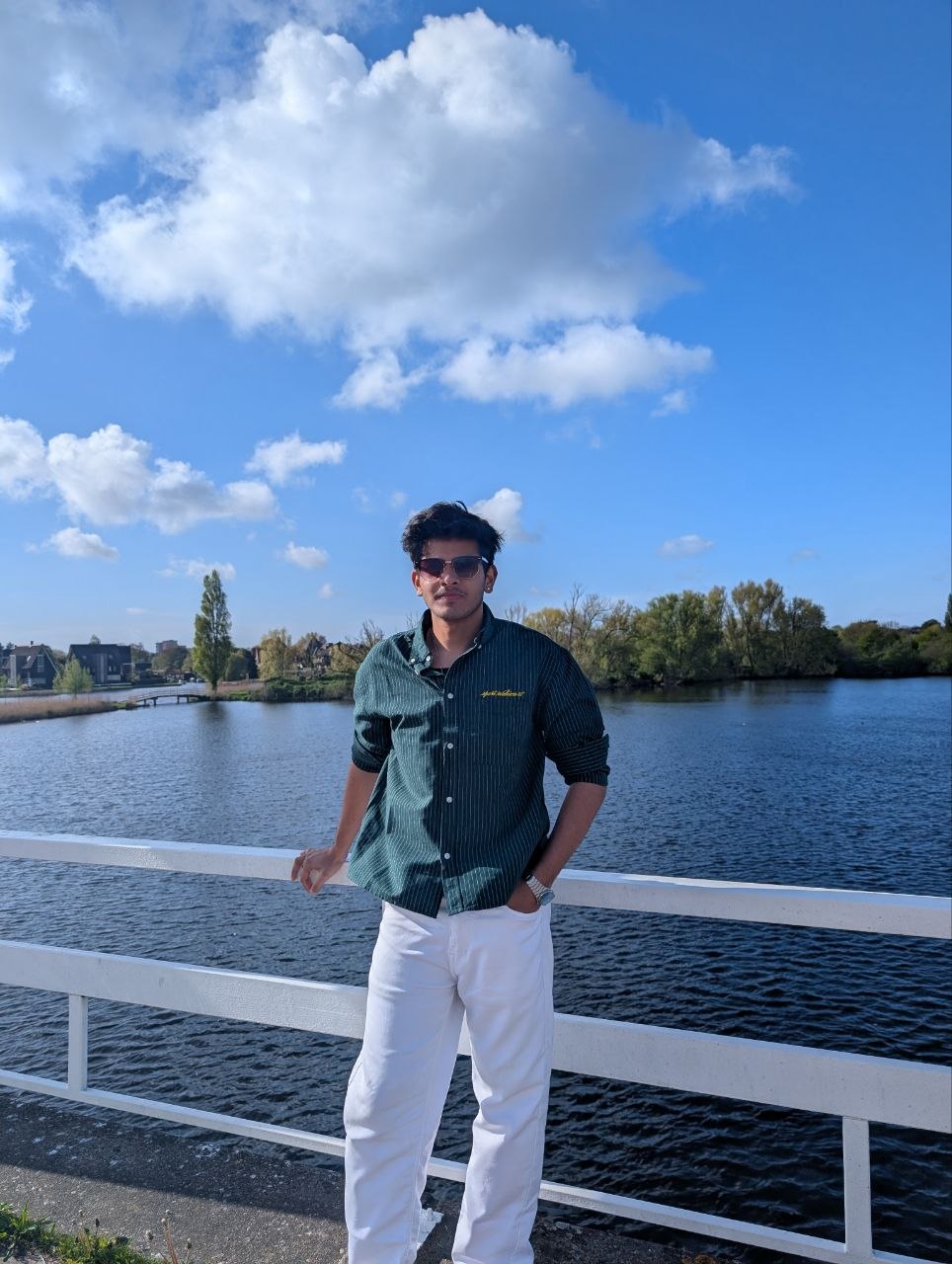
somewhere in amsterdam ☁️
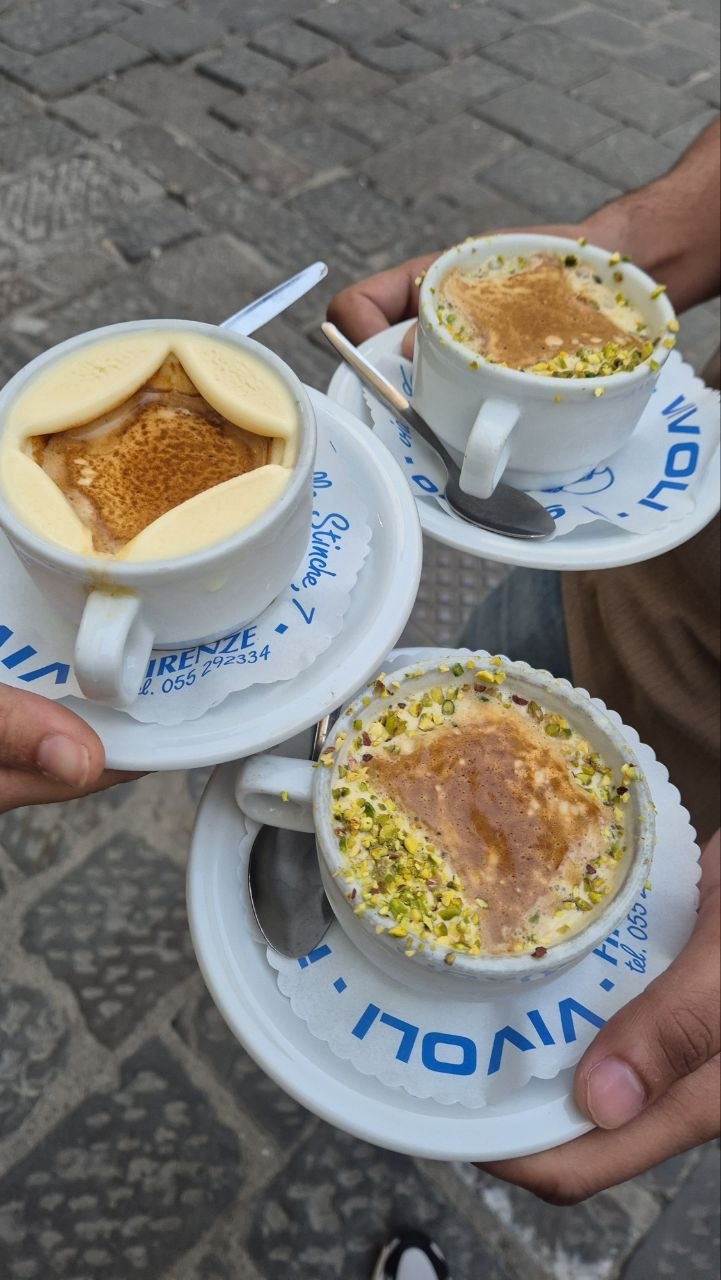
affogato, firenze. my forever order ☕
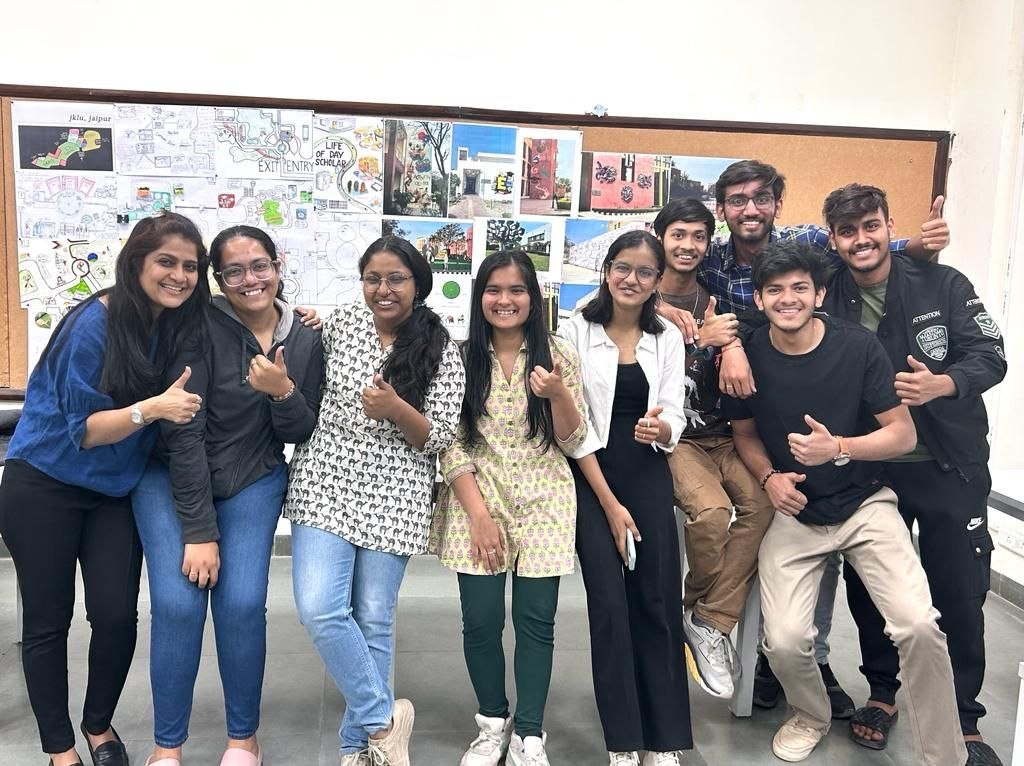
when it all clicks 🎯
01
Education
Four years of Interaction Design at JK Lakshmipat University, Jaipur. Coursework in design history, human factors, typography, art movements, research methodology, and systems thinking.
We studied Bauhaus, the Swiss International Style, De Stijl, and Brutalism. Not as history lessons but as ways of understanding how design arrived where it is, why form follows function, and when it does not.
Live projects, industry briefs, and research papers ran alongside studio critiques that had no right answers. That kind of training changes how you approach every problem after it.
02
Work That Mattered
During college, one project stands out. We worked with a village called Jahota near Jaipur, studying how frontline health workers coordinated with each other and managed on-ground data collection. The system was fragmented and the paperwork was relentless. We designed a unified workflow that let field workers focus on people instead of paperwork.
That project planted something in me: a real interest in designing for people working in difficult conditions, where the stakes are higher than convenience.
Alongside that, we built an automated e-waste collection station, a physical IoT-connected machine for metro stations, malls, and public spaces, paired with a mobile application. Primary research, the physical installation, and a shipped working prototype. Navigating hardware, software, and interaction design in one brief taught me more about real constraints than any studio project could.
I also contributed to immersive installation work exploring spatial interaction and AR/VR environments, where experience design was as much about the body moving through space as any screen.
03
Learning To Sell Ideas
After my first year, I interned with an R&D team that was almost entirely developers and industrial engineers. Nobody there thought in design terms. They were building things, and design was something added at the end, not something that shaped the start.
I had to learn to translate. To take an idea reasoned through visually and spatially, and make it legible to someone thinking in code or materials. It was uncomfortable. It was also exactly what I needed.
I came out of it with a clearer sense of how to present an idea so it actually lands, and a belief that conviction without communication is just opinion.
04
How I Keep Learning
I read a lot. Lenny Rachitsky's newsletter for product thinking. UX Collective by Fabricio Teixeira for design depth. Dense Discovery by Kai Brach for the intersection of technology, culture, and ethics.
When a new tool appears, my process is simple: understand how it actually works, find two or three use cases to test it against immediately, build something, and then decide if it belongs in my workflow.
Tools are a means. The thinking is the work. And the part that matters most is the human layer underneath all of it: thinking critically about what to build, who it is for, and what it does to the people on the other side. The tool can move fast. The judgment cannot be outsourced.
05
What I Read Outside Design
Right now I am working through The Myth of Sisyphus by Albert Camus. Absurdism resonates with me, not as a design philosophy, but as a way of understanding the environment I operate in. The idea that searching for meaning in a world that does not offer easy answers is itself the meaningful act: that lands.
Kafka sits alongside Camus on the same shelf. Where Camus asks why, Kafka shows what happens when systems become the point instead of the people inside them. That framing is surprisingly useful when you are designing for organizations that have grown complex.
Philosophy is the connective tissue between things that look unrelated. How marketing works. Why people resist change. What makes a system feel trustworthy or hostile. Everything connects. You just have to be curious enough to find where.
06
Outside The Screen
Padel when I can get a court. The gym most mornings. Rose wine over everything. The stock market as a long-running curiosity that has taught me more about human psychology and herd behavior than any textbook.
Poetry sits with me in a specific way. Gulzar for the density of feeling compressed into very few words. Pablo Neruda for the complete opposite: emotion that sprawls and does not apologize for it.
I call my spirit animal a chameleon. Not because I lose myself in new environments, but because I adapt without losing what I actually am. I have worked with developer-heavy teams, brand-focused teams, research teams, and founding teams at startups. I fit. But fitting is not the same as disappearing.
The goal in any team is to make the whole thing better, not just to complete your part of it.
That tendency to push for more, to ask what else we could do, to refuse to let the work settle at good enough: it is not always comfortable to work with. But it is honest, and it comes from genuinely caring about what gets built.
If any of this resonates, I would love to start a conversation.
Get in touch→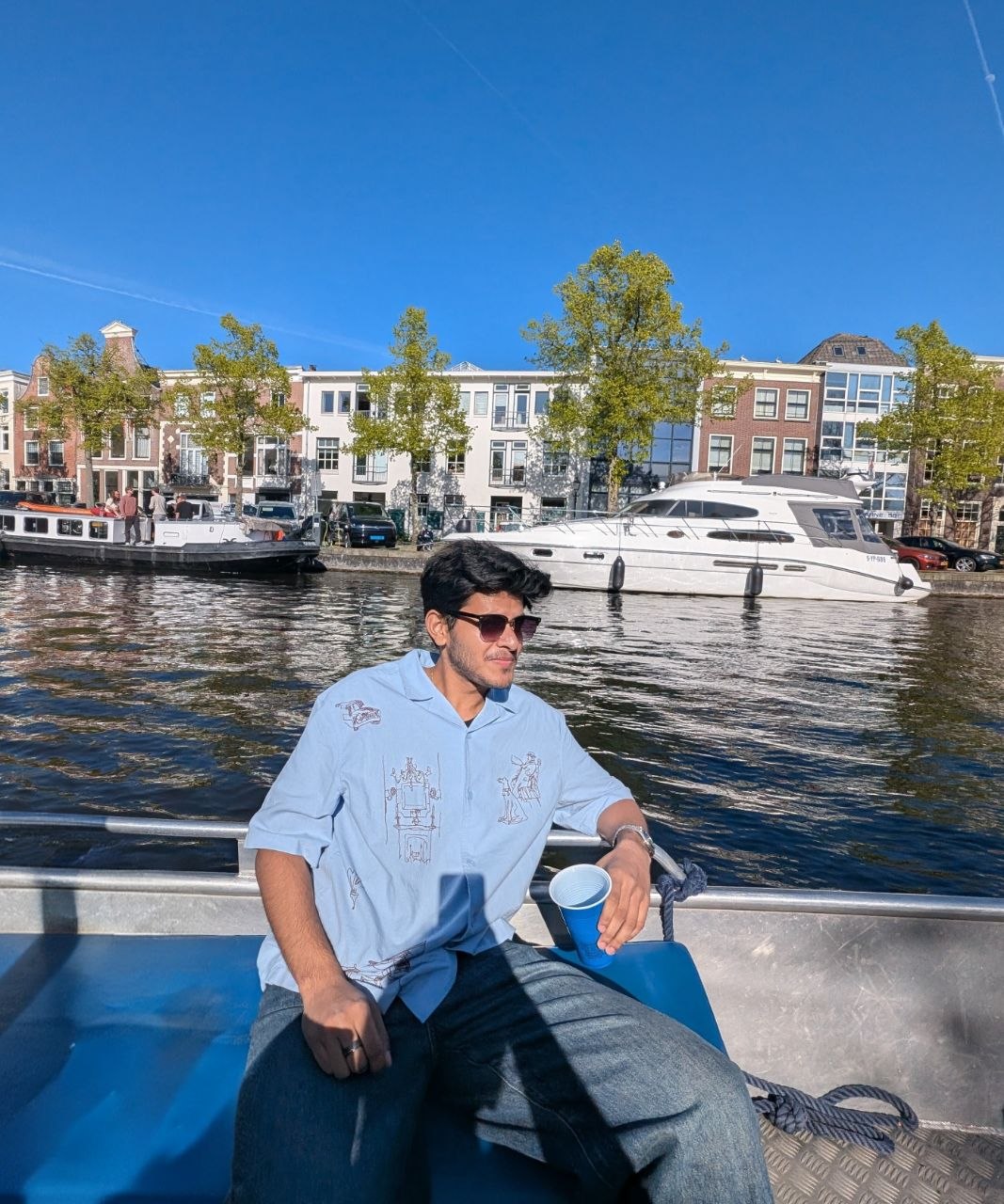
behind the scenes 📸
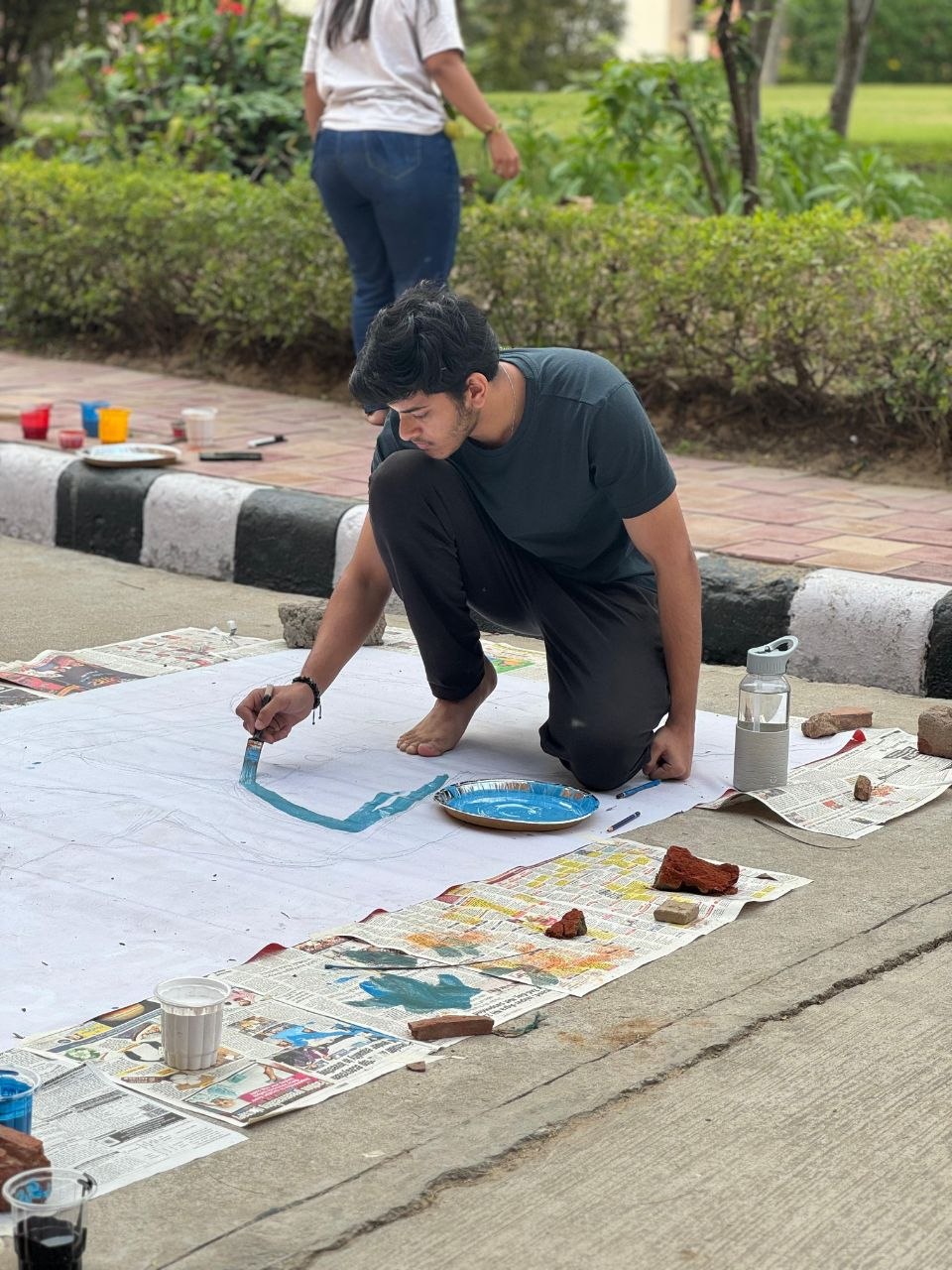
design sprint mode 🏃
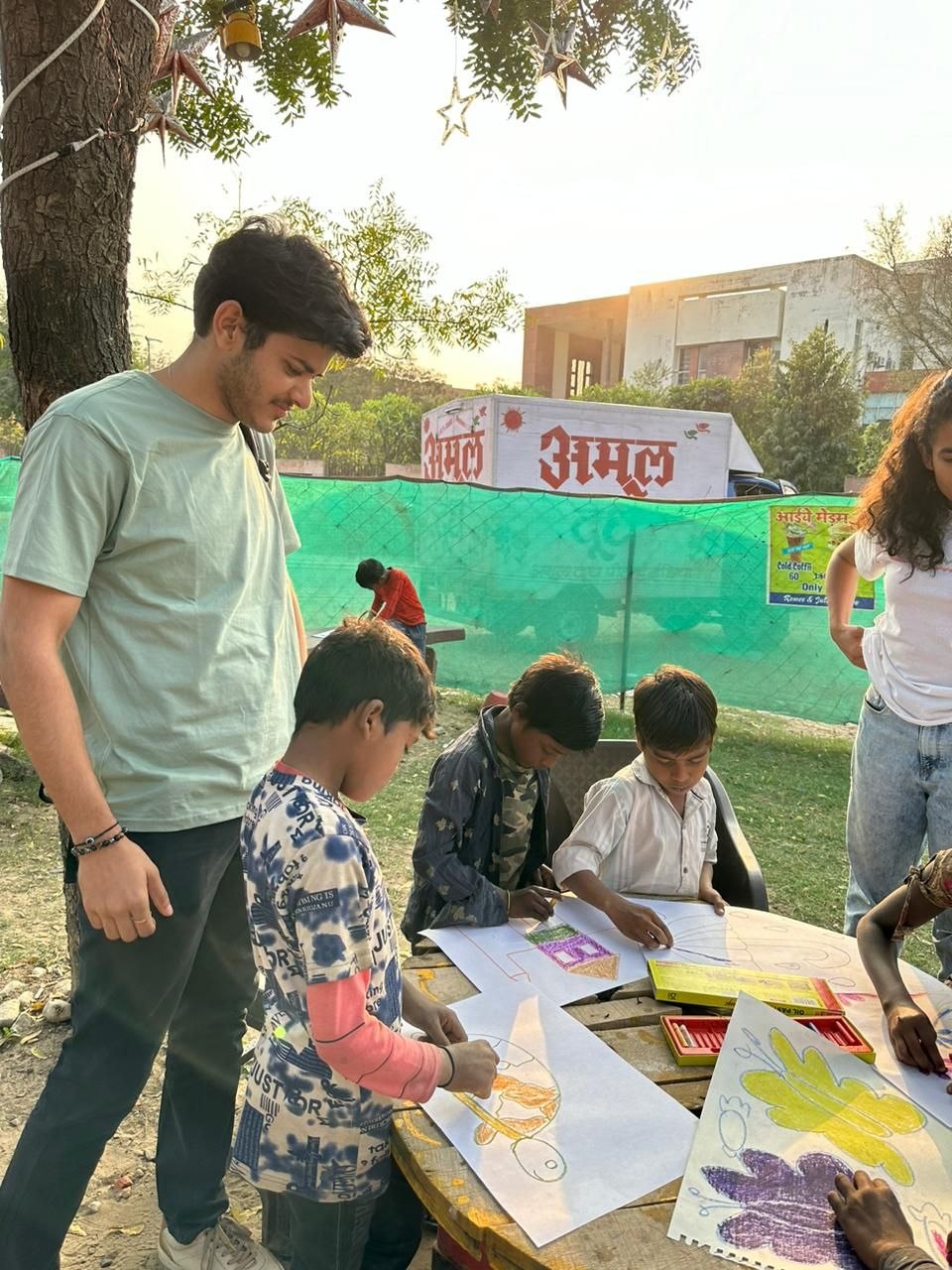
research in the field 🗂️
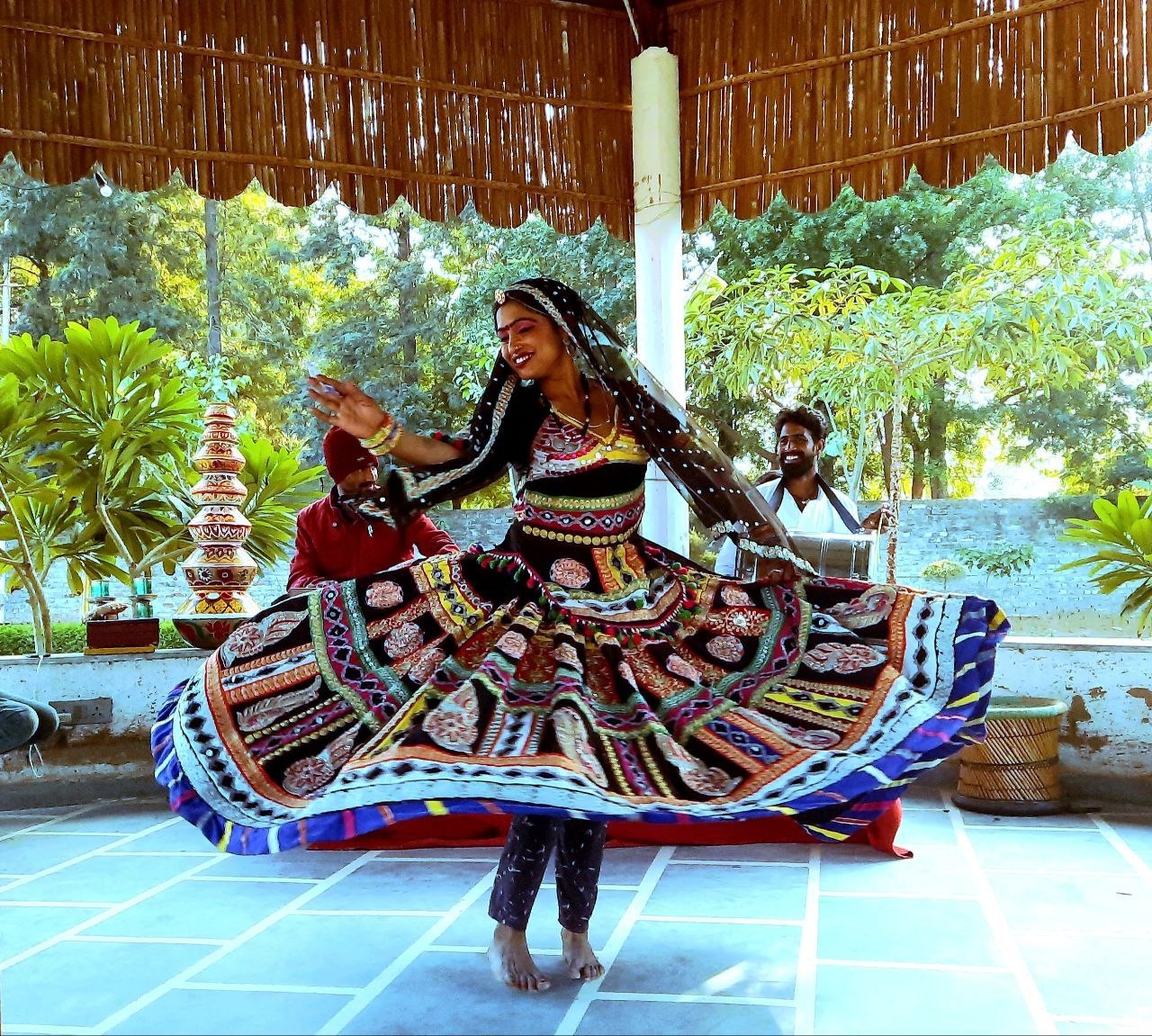
colours of rajasthan 🪅
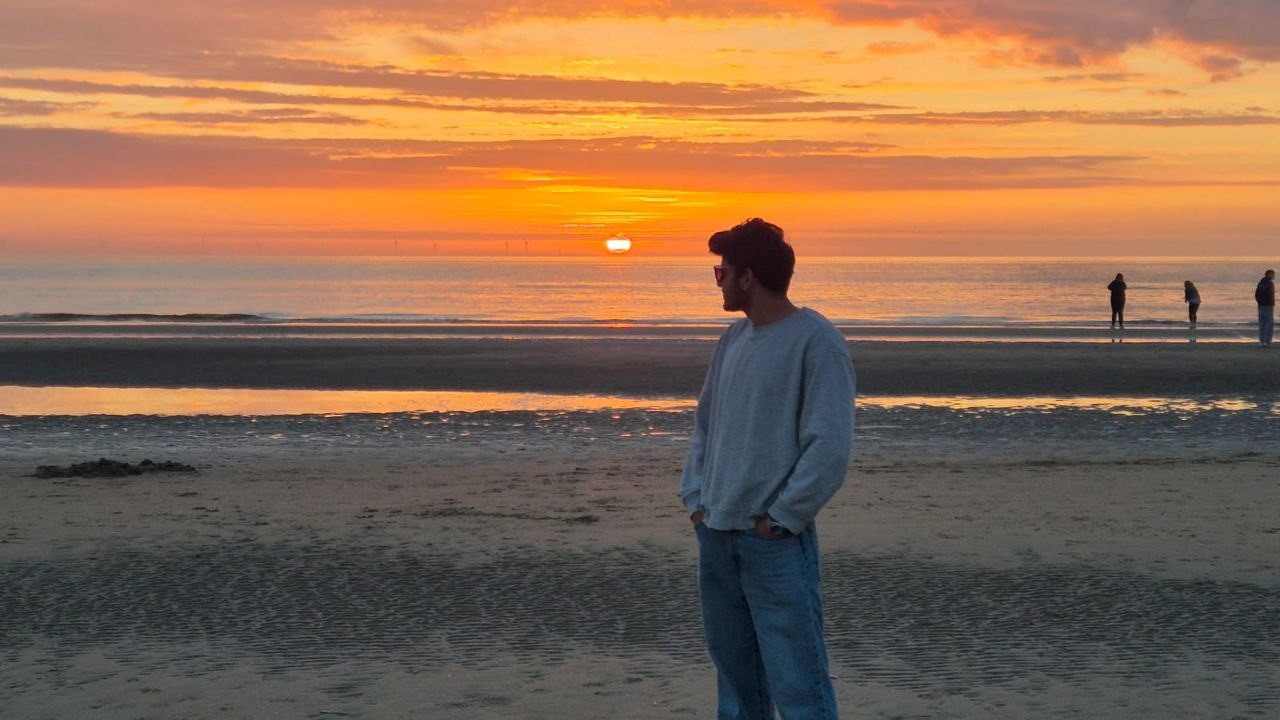
golden hour somewhere in europe 🌅
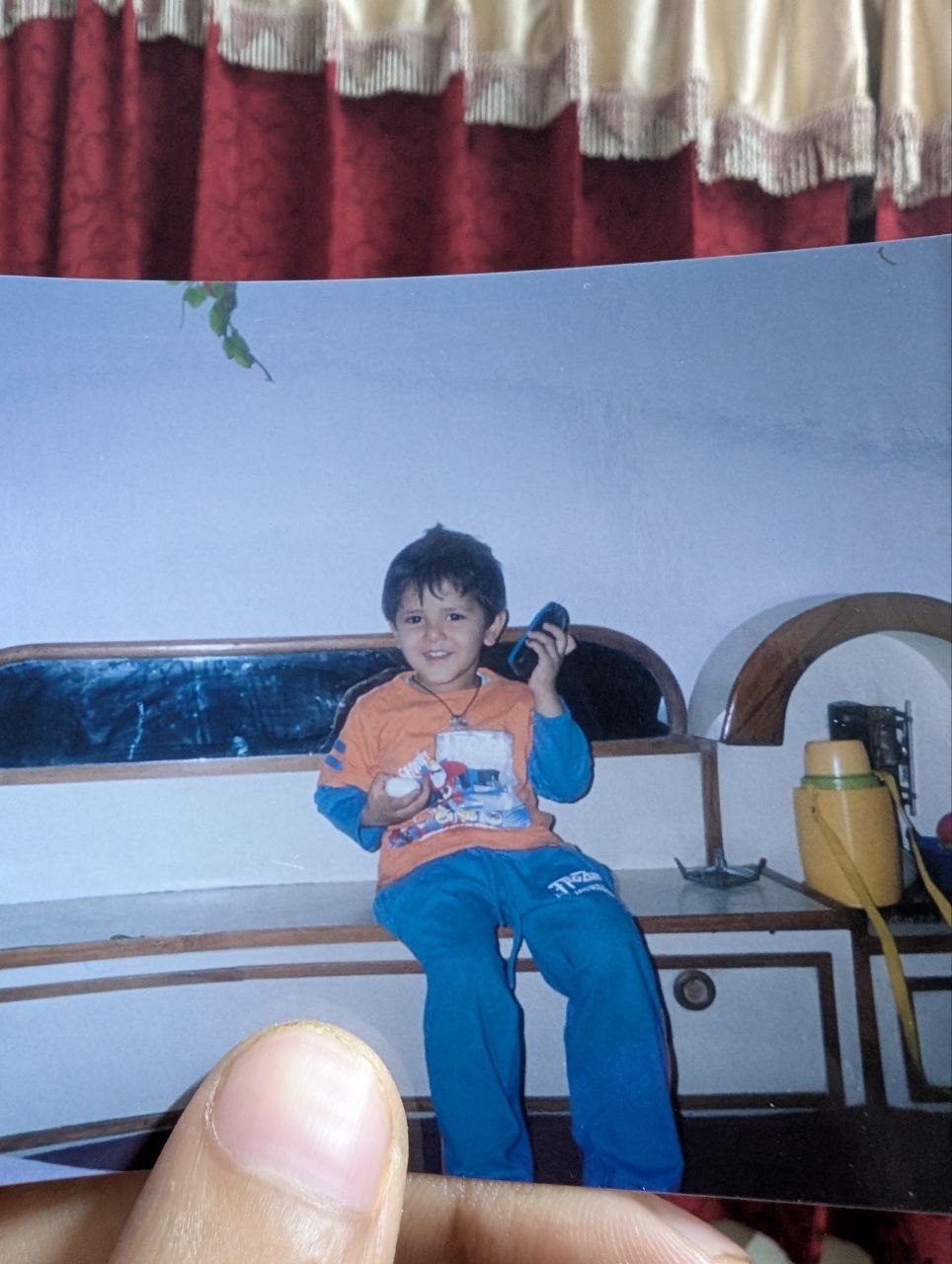
how it started 👦
behind the scenes 📸
design sprint mode 🏃
research in the field 🗂️
colours of rajasthan 🪅
golden hour somewhere in europe 🌅
how it started 👦